

For people moving here
Moving to the East Bay: your relocation guide
Moving here from another part of the Bay, another state or a job transfer. How to choose the town first, tour from a distance, and line up the dates.
Choose the town before you choose the house
When you already live somewhere, you know things nobody had to tell you. Which commute is fine early and miserable an hour later. Which part of town people mean when they say the name. Moving in from outside, you have none of that, and every listing looks about the same on a screen.
So start with the map, not the listings. The towns out here are genuinely different places, and the differences are things you can check:
- Where you need to get to. Pittsburg and Bay Point are furthest west of the East County towns and have the train. Walnut Creek has a walkable downtown with BART. Concord has two BART stations. San Ramon has major employment inside the city at Bishop Ranch.
- What kind of housing you want. Oakley is mostly built in the last few decades. Martinez has craftsman homes and bungalows downtown, with the upkeep older construction brings. Antioch runs from older streets near the river to newer subdivisions up the hill.
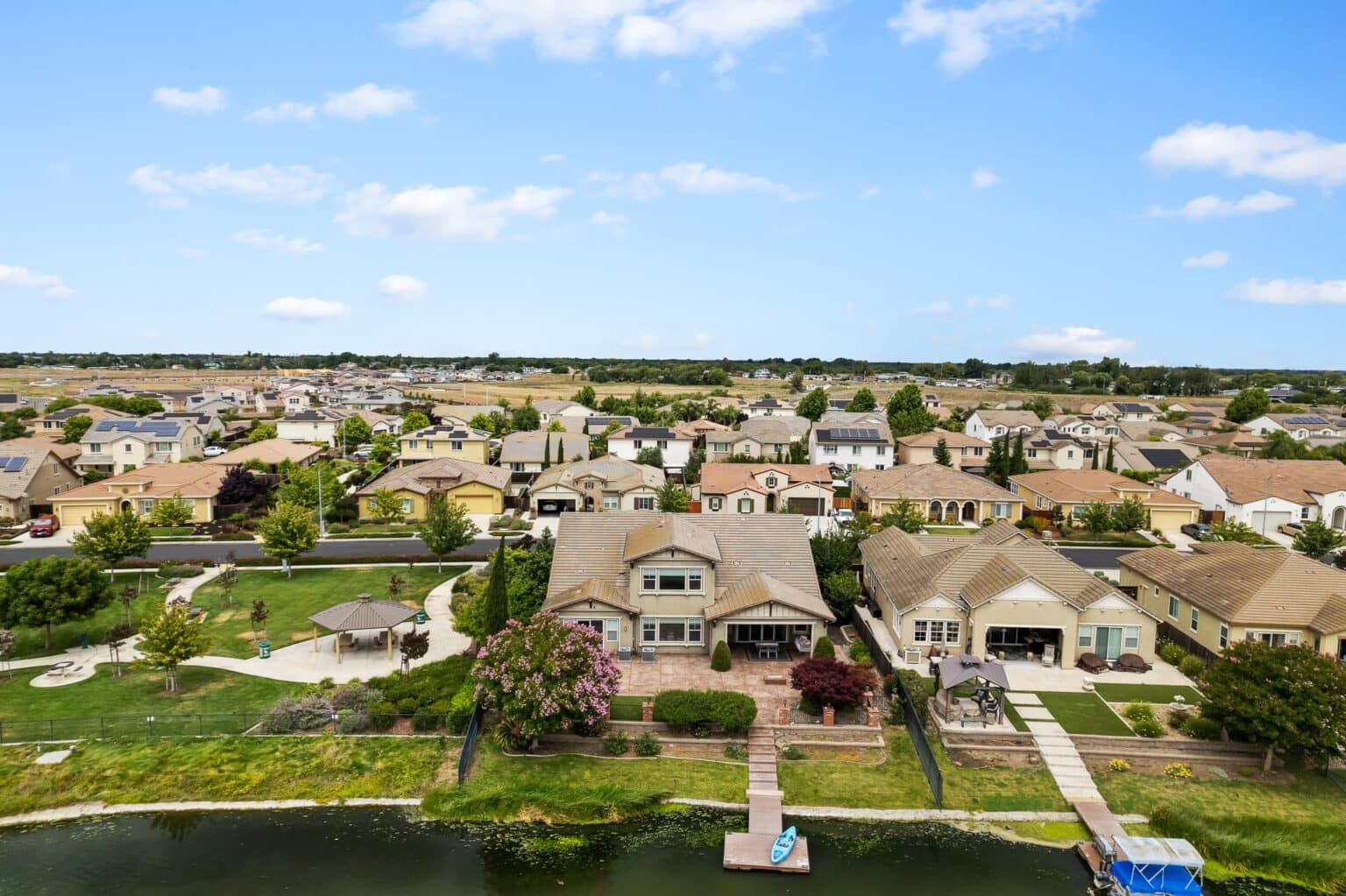
- What you want nearby. Discovery Bay is built around the water and boating. Brentwood kept a real downtown and a Saturday farmers market in City Park.
You can read about each one on our area pages, including Pittsburg, Concord and Walnut Creek. Then tell us what your days actually look like. That narrows the map faster than any search filter.
Tell us where you are moving from
Prefer to talk? Call (925) 325-4663Book a call with JaynlinSee how we do it, step by step
Touring from a distance
You may need to make an offer before you have ever stood in the house. That is workable if the tour is honest.
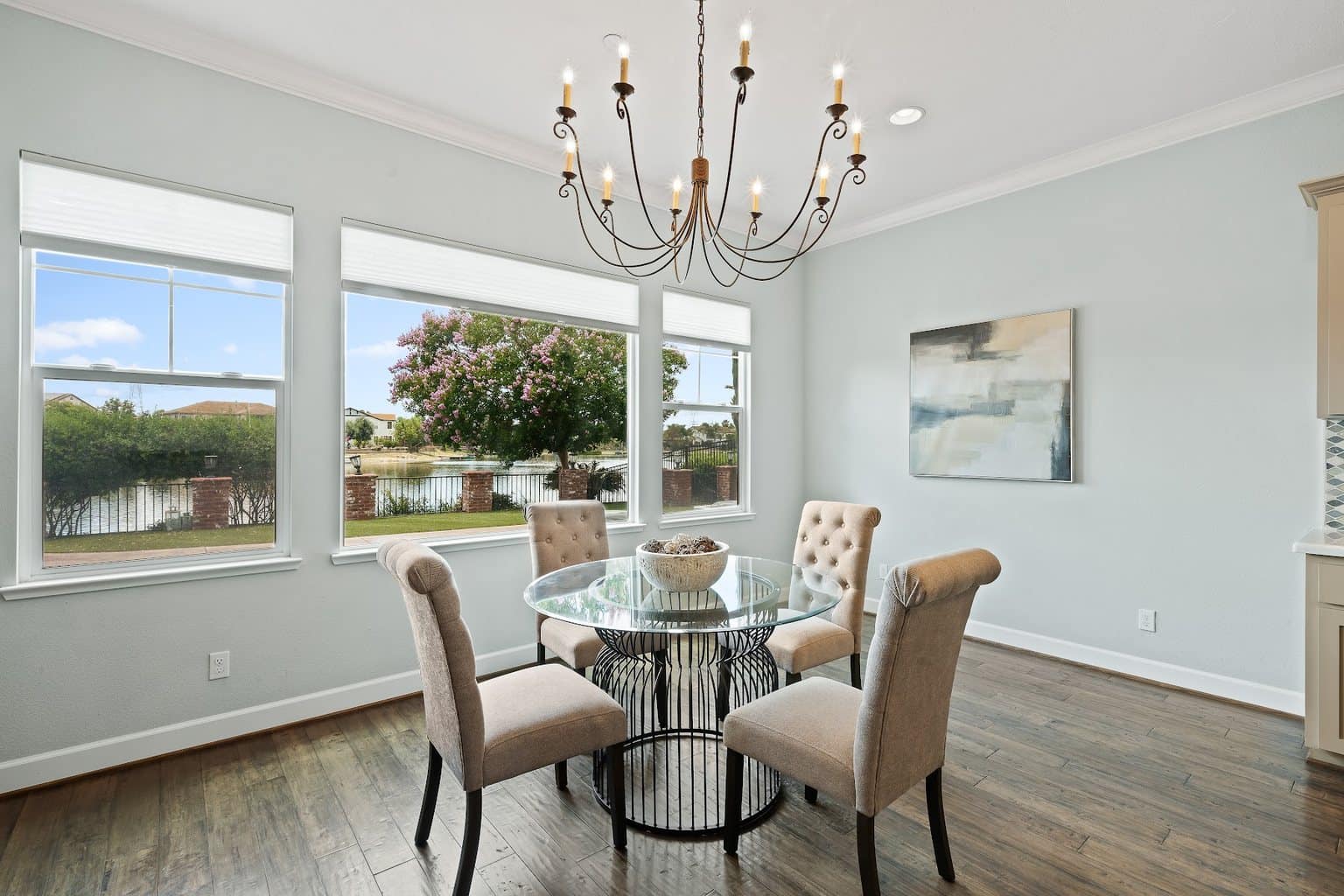
When we walk a home for you on video, we show the parts a listing photo crops out: the street in both directions, the condition of the roof line and fences, what sits behind the back fence, how the rooms actually connect. Ask us to open cabinets, run the taps and point the camera at anything you would look at in person.
A few things make remote touring work better:
- Narrow the list before you fly in. If you have one trip, spend it on the few homes that survived video, not on first looks.
- Watch the area at your hours. A street at noon on a Sunday is not the same street on a weekday at rush hour.
- Get your paperwork ready early. Lender pre-approval, proof of funds and e-signature access should be in place before you find the house, because you will not be in the room when it is time to sign.
Before we tour, we put our working arrangement in writing. Our commission is set by that written agreement and is negotiable. You can browse current listings any time while you are still deciding.
Timing it around a job start
Relocation usually comes with a date somebody else set: a first day at work, a lease ending, a school year, a transfer. Those rarely line up with a closing on their own.
Work backwards from the date that cannot move:
- Talk to a lender first. If your income is changing with the move, ask how a new job or an offer letter affects your approval and when they will need it.
- Decide whether to rent first. Renting for a few months lets you learn the area before you commit. Buying right away saves a second move. Neither is wrong. It depends on how sure you are about the town.
- Build the escrow around your date. California closes through escrow, and the timeline is set in your purchase contract. Tell us your hard dates before you write an offer so the contract reflects them.
- Plan the gap. If closing and your start date do not meet, line up short-term housing and storage early rather than at the last minute.
Selling where you live now while buying here
If you own a home where you are now, the real question is the order. Sell first and you know exactly what you have to spend, but you may be between homes. Buy first and you move once, but you may carry two payments for a while.
Before you decide, find out:
- What your current home would likely sell for, from an agent licensed where it is.
- Whether your lender would approve the new loan while you still own the old home.
- Whether an offer here contingent on your sale would be competitive for the homes you want.
- How long you could comfortably carry both, if it came to that.
If your current home is elsewhere, you will work with an agent there for the sale, and we are glad to coordinate dates with them. If you are already in the East Bay and moving across it, we can handle both sides. Our trading up guide walks through the sell-first and buy-first decision in more detail.
What to research about a specific address
Once a particular home is on your list, look past the house itself. None of this is hard to check, and it is much easier before you are in contract.
- Your commute, at your real hours. Map it on a weekday at the time you would actually leave, and again for the trip home.
- Schools. School assignments follow the address, not the town name. Look up the specific district and the specific school for that address, and confirm it with the district directly.
- HOA rules and fees. Read the rules for parking, rentals, exterior changes and anything you plan to do, plus the current dues and any upcoming assessments.
- Flood zone and insurance. Check the flood zone designation for the address and get an insurance quote early, before you remove contingencies.
- Disclosures and inspections. Read the seller's disclosures closely and get your own inspections. For older homes, ask the inspector about roof, plumbing, electrical and foundation in particular.
- Water features, if any. In a place like Discovery Bay, whether a home sits on a channel with a dock or a few streets inland changes what you are buying. Confirm exactly what comes with the property.
- The street itself. Visit, or have us film it, at different times of day. Notice traffic, nearby roads and what is planned on empty lots around it.
Your first week after the move
The keys are the start of a short list. Getting these done in the first week saves you chasing them later.
- Change the locks and garage door codes.
- Confirm utilities are in your name: power, water, garbage and internet.
- Update your address with the post office, your bank, your employer and your insurance.
- Look into a California driver's license and vehicle registration if you are coming from out of state, and check the DMV's current requirements and deadlines.
- Register to vote at your new address.
- Find the shutoffs for water, gas and electrical, and test the smoke and carbon monoxide detectors.
- Keep your closing documents together somewhere you can find them, including your settlement statement for tax time.
- Ask your county about any property tax exemption you may qualify for on a primary residence.
How we help you relocate
We start with the town, not the house. We will talk through where you need to be, what you want nearby and what kind of home you are after, then point you at the parts of the map worth your time. From there we tour on video, help you line up the dates, and keep your escrow moving while you are still packing somewhere else.
You can read more about relocating with us, or tell us where you are moving from and when you need to be here.
This guide describes our general process. It is not legal, tax or lending advice.
Frequently Asked Questions
Can I buy a home here before I move?
Yes. We tour homes for you on video, including the parts a listing photo leaves out, so you can narrow your list before you travel. Have your pre-approval and e-signature access ready early, since you may not be here when it is time to sign.
Which town has the shortest commute west?
Pittsburg and Bay Point are furthest west of the East County towns and have the train. Walnut Creek and Concord have BART. The right answer depends on exactly where you are going, so map the route at the hours you would actually travel.
Should I rent first or buy right away?
Renting first lets you learn the area before you commit. Buying right away saves you a second move. It mostly comes down to how sure you are about the town, and your lender can tell you how a job change affects your timing.
How do I find out which schools serve a home?
School assignments follow the address, not the town name. Look up the specific district and the specific school for that address, and confirm it with the district directly.
Can I sell my current home and buy here at the same time?
Often, yes, but the order matters. Find out what your home would likely sell for, whether your lender would approve the new loan while you still own the old one, and how long you could carry both. If your current home is elsewhere, we coordinate dates with your agent there.