

For homeowners moving up
Trading up in the East Bay: how to sell and buy in the right order
How to sell your current home and buy the next one without owning two houses or none. Buy first or sell first, your real numbers, contingencies and timing.
Start with the order, not the next house
You probably already know what you want next. An extra bedroom, a larger lot, an office with a door that closes, a garage that fits the cars and the tools.
That part is the easy part. The part that decides how this goes is the order. Do you sell your current home first, or buy the next one first? Get the order wrong and you either carry two houses at once or you have nowhere to live for a stretch.
There is no rule that fits everyone. There is only the answer that fits your equity, your loan and how much risk you are comfortable carrying. This guide walks you through how to find it. If you want the short version of how we run these moves, start with trading up with us.
Run my buy first vs sell first numbers
Prefer to talk? Call (925) 325-4663Book a call with JaynlinSee how we do it, step by step
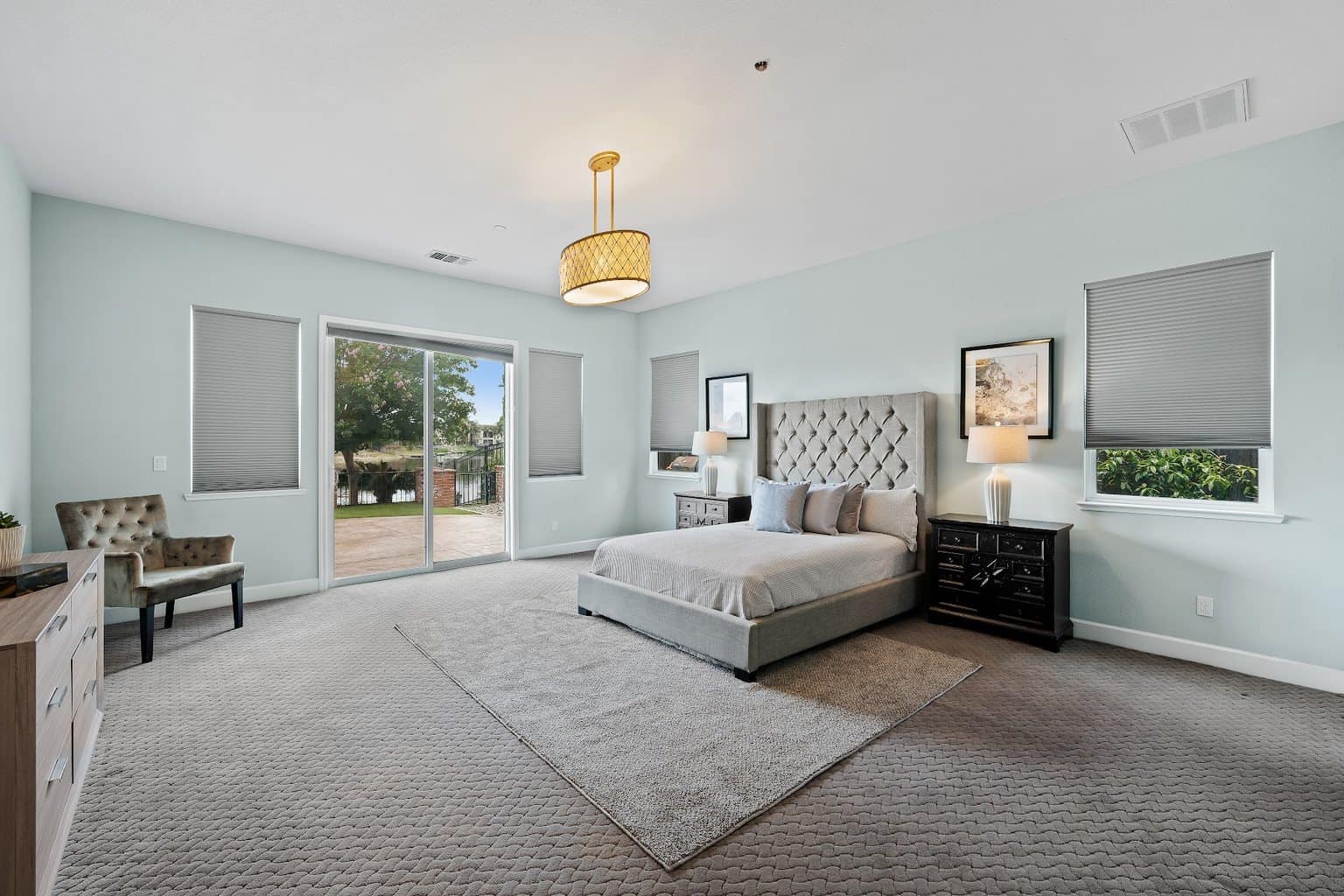
Buy first or sell first: the honest trade off
Sell first. You know exactly what you walked away with before you shop.
- Your offer on the next home is cleaner, because it does not depend on your sale.
- You are never carrying two mortgages.
- The cost: you may need somewhere to live between closings, which can mean a short term rental, a rent-back, or moving twice.
Buy first. You move once and you shop without a clock running.
- You can take your time finding the right home.
- You can prepare and show your current home after you have moved out, which is often easier.
- The cost: you may carry two payments until your current home sells, and if the sale takes longer or comes in lower than planned, that gap comes out of your pocket.
Some people land in the middle, buying and selling on overlapping timelines with the contingencies and closing dates lined up so one funds the other. That takes coordination, and it is the kind of plan we build with you before anything is listed.
Run your real numbers first
Before you decide on an order, you need four numbers, and none of them should be a guess.
- What your home will realistically sell for. Not an online estimate. A price based on recent comparable sales and your home's actual condition. You can request a home valuation to start.
- Your loan payoff. Ask your lender for a payoff figure. It is not always the same as the balance on your statement.
- Your costs to sell. These can include commission, which is set by your written listing agreement and is negotiable, escrow and title costs, any repairs or credits you agree to, and what you spend preparing the home.
- What you can borrow on the next home. A lender can tell you what you qualify for, both with and without your current home sold.
Your sale price minus your payoff and your costs to sell is roughly what you take to the next purchase. Tax rules can apply when you sell one home and buy another in California, so ask a tax professional how they apply to you before you commit.
If you want to buy before you sell, ask a lender about the options that exist for that, such as a bridge loan or a home equity line of credit. We can talk through how each one would affect your plan, but the terms and costs come from the lender, so get them in writing.
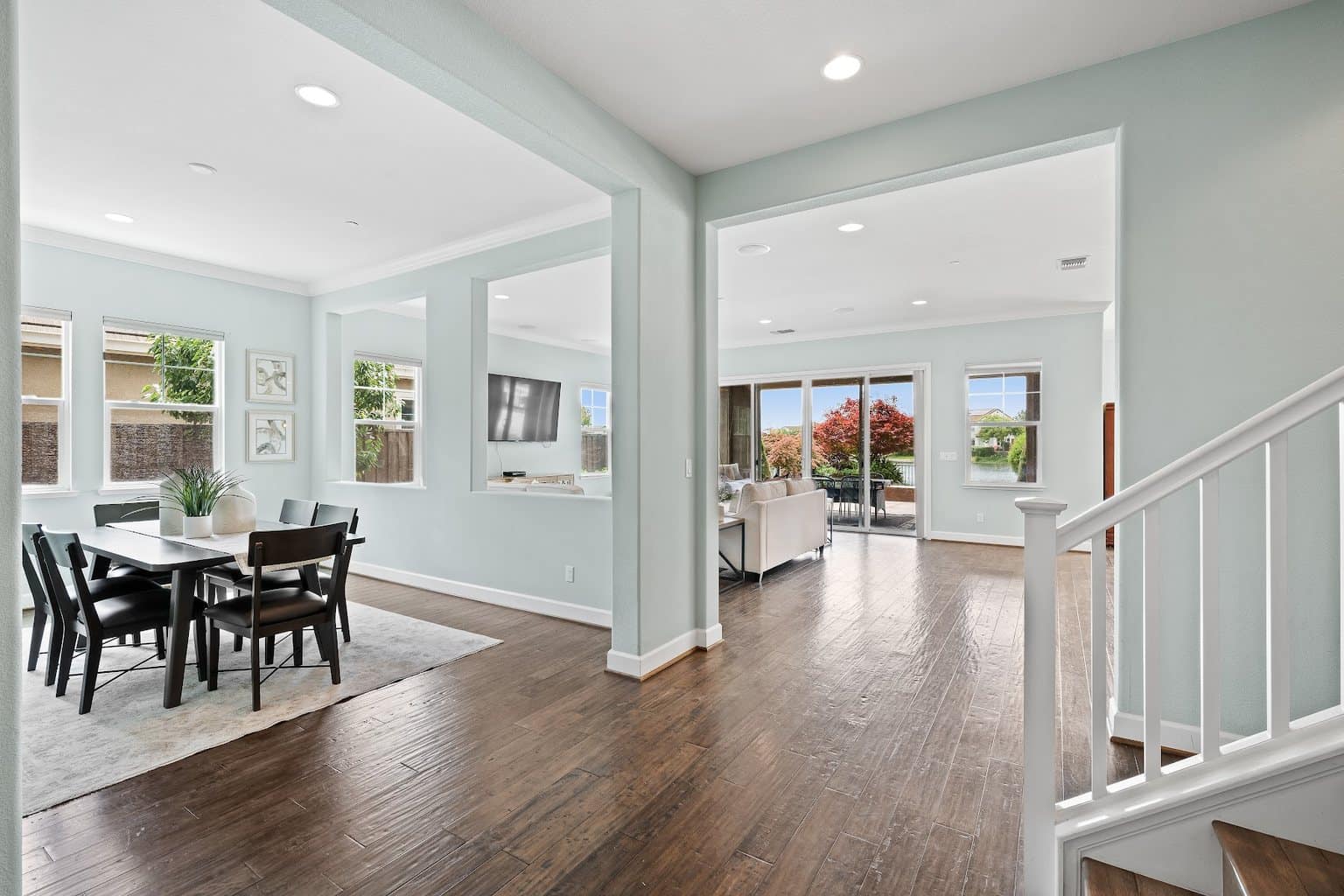
Contingent offers and how sellers see them
A sale contingency means your offer on the next home depends on your current home selling. It protects you. It also asks the seller to wait on something they cannot control.
How sellers react depends on the market and on the rest of your offer. When several buyers want the same home, a contingent offer usually competes at a disadvantage. When a home has been sitting, a seller may be more open to it.
A contingent offer tends to land better when:
- Your current home is already listed, or already in escrow.
- Your price is realistic and your marketing plan is clear.
- The rest of the offer is strong and the timelines are short and specific.
We would rather solve the sequencing before you are competing for a home, so a contingency is a choice you make, not the only option you have. Our buying process shows how offers fit into the bigger picture.
Rent-backs and lining up the timing
California closes through escrow, and when you are selling and buying, you are coordinating two escrows at once. The goal is simple: you should never be without a place to live, and you should never carry more overlap than you planned for.
A few tools can help:
- A rent-back. You sell and close, then stay in the home for an agreed period while you finish buying. The buyer has to agree to it, and the terms are written into the contract.
- Matched closing dates. Your sale and your purchase are scheduled to close near each other, so the proceeds from one go toward the other.
- Clear contingency periods. Each contract's deadlines are set with the other transaction in mind.
Every one of these is negotiated, not guaranteed. We plan for them early so you are not asking for them at the last minute.
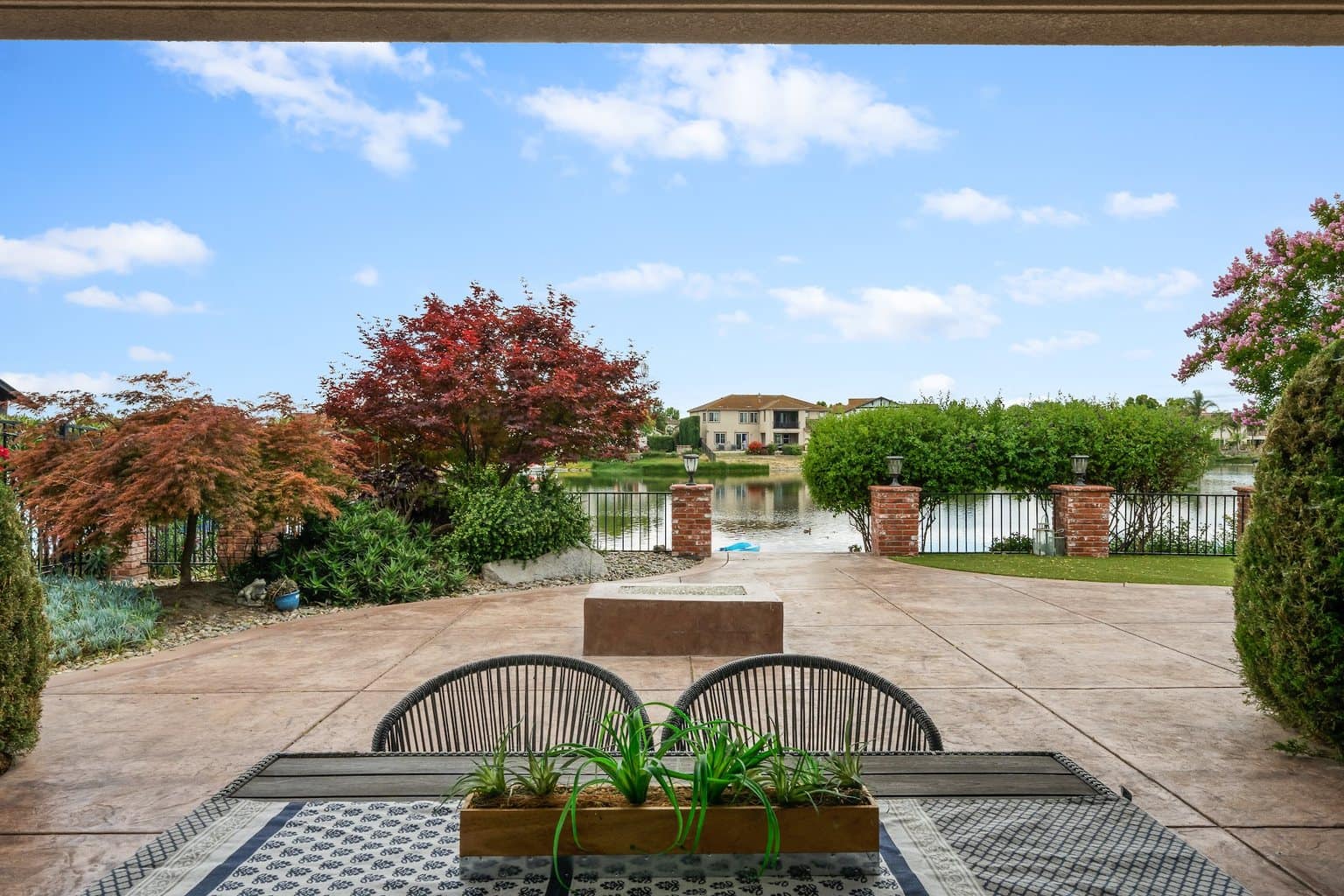
Getting your current home ready to sell
For most people trading up, the equity in the current home is the down payment on the next one. How that home is prepared and marketed has a direct effect on what you can buy.
- Fix what a buyer's inspector will flag, and skip the projects that will not pay you back. We will tell you which is which.
- Declutter and pack early. You are moving anyway, so start now.
- Plan where you and your things will be during showings.
- Get your disclosures and any permits or repair records together before you list.
The first week on the market does most of the work, so we put the effort into the launch. Read more about how we sell homes.
Your trading up decision checklist
Work through these before you list or write an offer:
- Do you know what your home will realistically sell for?
- Do you have your loan payoff figure and an estimate of your costs to sell?
- Has a lender told you what you qualify for with and without your current home sold?
- Could you carry two payments for a while, and for how long?
- If you sell first, where would you live between closings?
- Have you asked a tax professional how selling and buying affects you?
- Have you looked at the areas we serve and narrowed down where you want to be next?
If several of those are still question marks, that is normal. It is exactly what the first conversation is for. Get in touch and we will run both orders with your real numbers.
This guide describes our general process. It is not legal, tax or lending advice.
Frequently Asked Questions
Should I buy first or sell first?
It depends on your equity, what a lender says you qualify for, and whether you could carry two payments for a while. Selling first gives you certainty and a cleaner offer. Buying first means you move once. We run both with your real numbers before you commit.
Can I make an offer contingent on selling my current home?
Yes. How well it is received depends on the market and the rest of your offer. When several buyers want the same home, a contingent offer usually competes at a disadvantage, so it helps to have your home listed or in escrow first.
What is a rent-back?
A rent-back lets you sell and close, then stay in the home for an agreed period while you finish buying. The buyer has to agree to it, and the terms are written into the contract.
How do I buy before I sell if my equity is tied up in my home?
Ask a lender about the options for that, such as a bridge loan or a home equity line of credit. The terms and costs come from the lender. We can talk through how each option would affect your timing and your offer.
Are there tax rules when I sell and buy in California?
Tax rules can apply when you sell one home and buy another. They depend on your situation, so ask a tax professional before you commit to a plan.