

For first-time buyers
The first-time buyer's guide to buying in the East Bay
Everything you need to know before you buy your first home in the East Bay, in plain words. What it really costs, how the steps work, and what to ask along the way.
Start with the number you can live with
Before you look at a single house, you need two numbers. The first is what a lender will approve you for. The second is what you can actually pay every month and still have a life. They are rarely the same.
Your real monthly cost is more than the loan payment. It includes property taxes, homeowners insurance, any HOA dues, and money set aside for the things that break. Two homes at the same price can cost very different amounts each month once you add all of that up.
So the first step is a pre-approval from a lender. Then we sit down with that number and work out the one you are comfortable with. That second number is the one we shop with.
Ask a first-time buyer question
Prefer to talk? Call (925) 325-4663Book a call with JaynlinSee how we do it, step by step
The money you need besides the down payment
The down payment gets all the attention. It is not the only cash you will need. Plan for these too:
- The deposit. When your offer is accepted, you put down a good-faith deposit, often called earnest money. It goes to escrow, not to the seller, and counts toward your purchase at closing. Your offer sets the amount.
- Inspection costs. You pay for your own inspections before closing.
- Closing costs. Loan fees, title insurance, escrow fees and prepaid items like insurance and taxes. Your lender gives you a written estimate early on.
- A cushion. Money left over after you move in, for the first repair or the first surprise.
Down payment assistance programs do exist, and some are meant for first-time buyers. Rules and availability change, so ask your lender which ones you qualify for. We can point you to lenders who work with them.
How buying a home works here, step by step
California is an escrow state. A neutral escrow company handles the money and paperwork, and there is no closing attorney. Here is the order things usually happen in:
- We talk first. You tell us what you want and what worries you. Before we tour homes together, you sign a written buyer agreement. It explains what we do for you and how we are paid. That compensation is set by the agreement and is negotiable, so ask us anything about it.
- You get pre-approved. A lender reviews your income, credit and savings and tells you what you can borrow.
- You tour homes. We help you look past paint and furniture to what the house will cost to own.
- You make an offer. We write it together, including the price, the deposit and your contingencies.
- Escrow opens. Your deposit goes to escrow. You review the seller's disclosures and do your inspections.
- The appraisal and the loan. The lender orders an appraisal and finishes approving your loan.
- Final walk-through. You see the house one more time before closing to confirm it is in the condition you agreed to.
- Closing. You sign your loan documents, the sale is recorded with the county, and you get the keys.
You can read the full version on our how we buy page.
Where to start looking in the East Bay
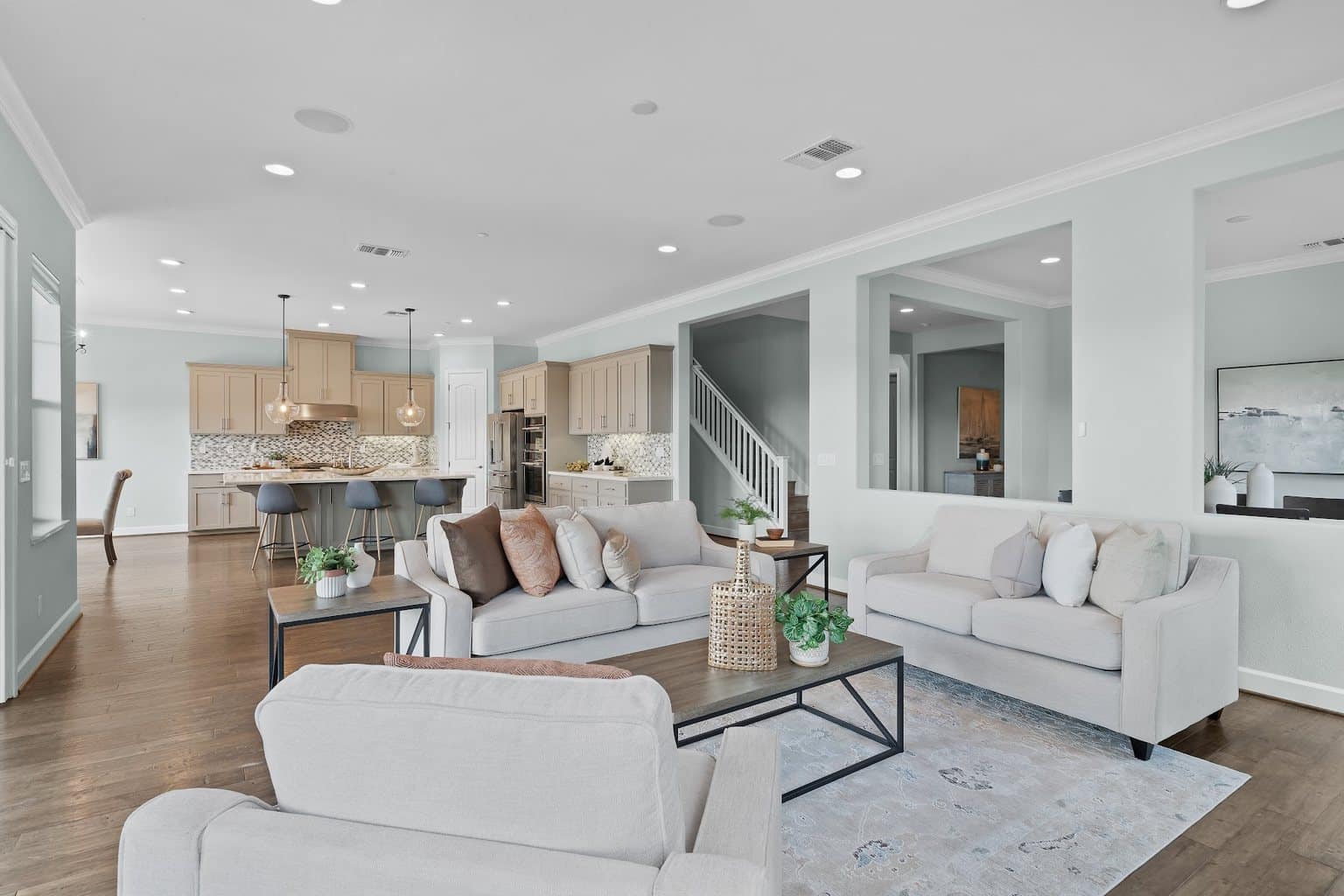
Many of our first-time buyers start their search in Antioch, Oakley and Pittsburg. Some find Brentwood within reach, depending on the budget and the year.
Look at the home itself, not just the town. Age, roof, HOA dues and commute all change what a house really costs you. We will be straight with you about which places your number actually reaches.
Words you will hear, in plain English
- Pre-approval. A lender's written statement that, after checking your finances, they expect to lend you up to a certain amount. Sellers want to see one with your offer.
- Contingency. A condition in your offer that has to be met for the sale to go forward, like a satisfactory inspection, an appraisal or final loan approval. Your contract sets how many days each one lasts.
- Escrow. The neutral middle step where a third party holds your deposit and the documents until every condition is met. Then it releases everything at once.
- Appraisal. An independent opinion of the home's value, ordered by your lender. The lender bases your loan on it.
- Closing costs. The fees and prepaid items due at closing, on top of your down payment. Your loan estimate lists them.
The mistakes that cost first-time buyers
- Stretching for the house. Falling in love before you know the full monthly cost.
- Changing your finances mid-escrow. Do not buy a car, open a credit card or change jobs before closing. Your loan is not final until it is final.
- Rushing the inspection. Every house has a list. The inspection tells you which items are expensive, which are urgent and which are just a house being a house.
- Skimming the disclosures. Read every page. Ask about anything you do not understand.
- Staying quiet. Ask the basic question. Ask it twice. That is what we are here for.
Your first-time buyer checklist
- Check your credit and pull together pay stubs, tax returns and bank statements.
- Talk to a lender and get pre-approved.
- Ask your lender about down payment assistance you may qualify for.
- Work out your comfortable monthly payment, including taxes, insurance and HOA dues.
- Set aside money for the deposit, inspections, closing costs and a cushion.
- Meet with us, sign a buyer agreement and agree on what you want.
- Tour homes and make an offer with the contingencies you need.
- Do your inspections and read every disclosure.
- Keep your finances steady until you have the keys.
For a deeper look at the whole process, read our guide to buying a home.
Ready when you are
You do not need to have it figured out before you talk to us. If the honest answer is that you should save for another year, we will tell you, and it costs you nothing to hear it.
When you want to start, send us your questions. We will walk you through your numbers and your next step.
This guide describes our general process. It is not legal, tax or lending advice.
Frequently Asked Questions
How much do I need for a down payment?
It depends on your loan program, your credit and your income. Some programs go well below twenty percent. A lender can tell you which programs fit you, and whether any down payment assistance applies.
What are closing costs, and who pays them?
Closing costs are fees and prepaid items due at closing, such as loan fees, title insurance, escrow fees and prepaid taxes and insurance. Your lender gives you a written estimate. Who pays which items is set by your purchase agreement.
Do I need an attorney to close?
No. California is an escrow state. A neutral escrow company holds the money and documents and handles the closing. You can still hire an attorney if you want legal advice.
How is your team paid when I buy?
Our compensation is set by the written buyer agreement you sign with us before we tour homes together. It is negotiable, and we will go over it with you before you sign.
What happens if the appraisal comes in low?
You have options, depending on your contract. You may renegotiate the price, cover the difference in cash, or use your appraisal contingency if you still have it. We talk this through before you make an offer, so it is not a surprise.