

2026-07-30 · 8 min read · East Bay Area
Waterfront or Inland: The Discovery Bay Question Nobody Asks Early Enough
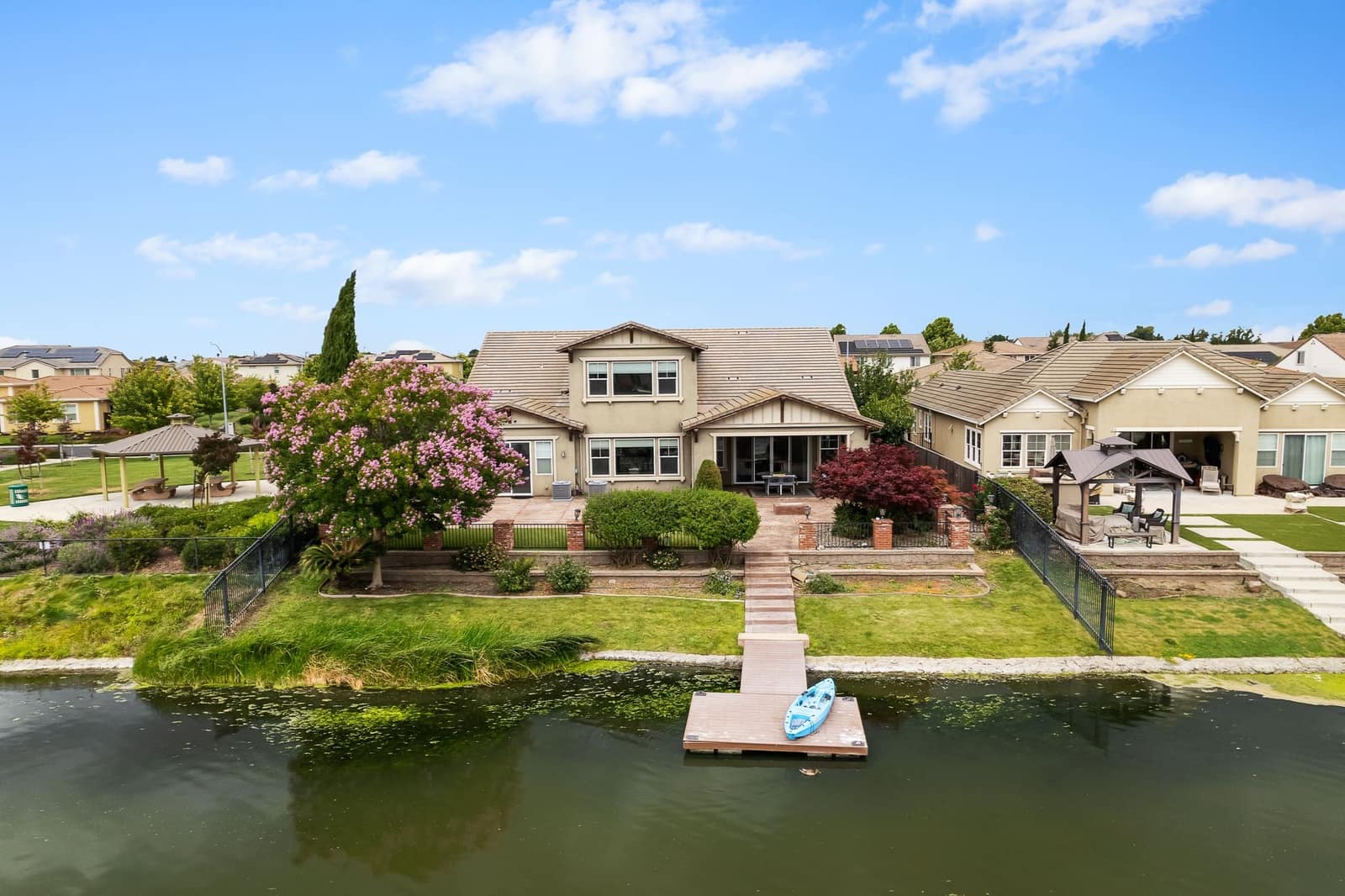
Two markets, one name
People talk about Discovery Bay as though it is one place. It is not, and The Mashore Group sees the consequences of that assumption regularly.
A home on a navigable channel with a working dock is a fundamentally different product from a home three streets inland. Different buyers. Different motivations. Different numbers. Pricing them off the same comparable set is the most common and most expensive error made in this town, and it hurts waterfront sellers most.
If you are selling waterfront
The water is the headline and the interior is the supporting act. That sounds obvious and yet most waterfront listings lead with the kitchen.
It also means presentation quality translates into money more directly here than anywhere else in East County. A buyer looking at waterfront is buying a feeling about being on the water, and a photo taken at the wrong time of day does not deliver it. Video does, which is why we lead with it on these homes.
The variables that move your number are whether the access is genuinely navigable, the condition of the dock, and what the channel connects to. Not square footage. We go into this further on our page about selling your home in Discovery Bay, and it applies just as directly in Lakeshore.
If you are selling inland
Your comparables should come from inland Discovery Bay, not from waterfront sales. Using waterfront numbers produces an asking price that will not be met and a listing that sits.
The honest pitch for an inland home is the house itself. In Ravenswood, for example, homes went up around 2006 and 2007, so they are a consistent age and generally larger than the older stock in town. That is a real advantage and it should be the argument.
What to actually check on the water
Three things, in this order. First, whether the channel is genuinely navigable and what it connects to, because a stretch of water that does not go anywhere useful is scenery rather than access. Second, the condition of the dock, which is a real maintenance item and not a fixture you can ignore. Third, depth, which decides what you can actually keep there.
Buyers who check those three before making an offer tend to be happy years later. Buyers who fall for a sunset and check afterward are the ones who end up selling sooner than they planned.
Why photography decides more here than anywhere else
In most of East County a mediocre listing photo costs you some interest. In Discovery Bay it costs you money, because the thing the buyer is purchasing is a feeling about being on the water and a photo taken at the wrong hour simply does not deliver it.
This is the one market where we treat video as the primary asset rather than a supporting one. A buyer needs to understand the setting, the access and the outlook, and stills cannot carry that. It is also why we shoot around the light rather than around the calendar.
What waterfront ownership actually involves
The part that surprises people is not the price of the house. It is everything attached to the water.
A dock is a structure with a maintenance schedule, and its condition is a real line item in a valuation rather than a bonus feature. Levee proximity affects insurance. Depending on the specific property there may be dredging considerations, and there are rules about what can be built or moored, which vary by location rather than applying uniformly across the Delta.
None of that is a reason to avoid waterfront. It is a reason to ask the questions before you write an offer rather than during escrow, when the answers are less convenient and your options are narrower.
The same applies in reverse if you are selling. A dock in good condition, documented, with its paperwork in order, is worth more than an identical dock nobody can produce records for. Buyers out here have usually been looking long enough to know the difference, and the ones who do not have an agent who does.
Getting that together before the listing goes live rather than after an inspection raises it is the difference between answering a question and defending against one.
Waterfront is a smaller buyer pool than inland, and the people in it are usually specific about what they want. That cuts both ways. Fewer buyers means less broad competition, and a buyer who has decided they want water is rarely talked out of it by an inland house at a better number.
If you are buying, be honest about the water
The question worth sitting with is whether you will genuinely use it. Plenty of people pay a waterfront premium for a dock they use twice a year.
If the answer is yes, be precise about what you need. Navigable access, dock condition and what the channel connects to are the purchase. If the answer is no, an inland home often buys you more house for the same money.
Either way we will tell you honestly what a given property's water access actually is rather than what the listing implies. Get in touch with The Mashore Group and we will walk you through it.