
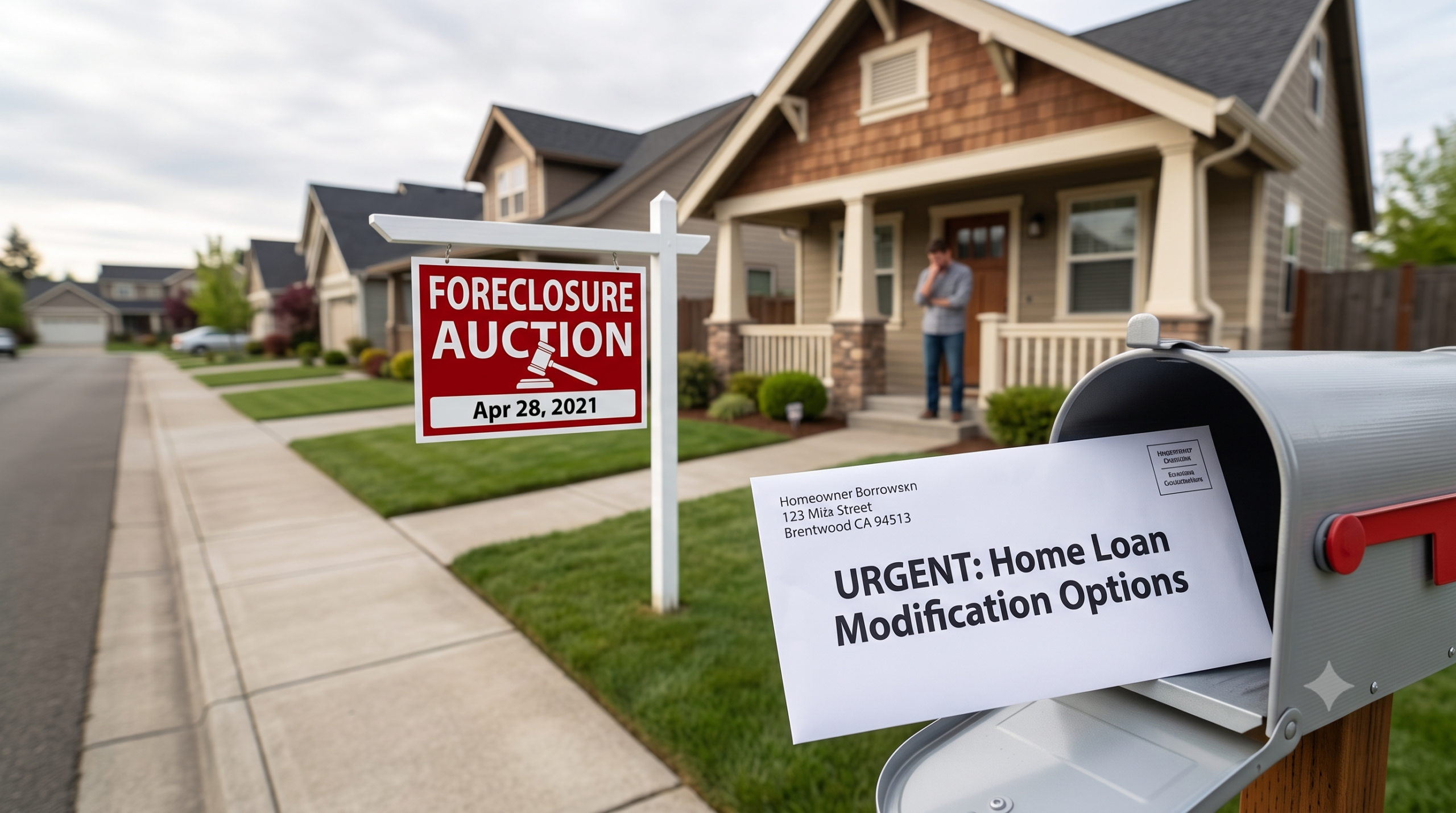
Is Foreclosure a Waste of Time? What Homebuyers and Homeowners Need to Know
The word “foreclosure” often raises big questions, especially for homebuyers and homeowners facing tough decisions.Or does the long process serve a real purpose for everyone involved? If you are wondering whether to pursue a foreclosure property in Brentwood CA 94513 or if you are facing foreclosure yourself, understanding the process and its pros and cons is crucial.
Let’s dive into what makes foreclosure so time-consuming, who benefits from the delays, and how you can use the process to your advantage instead of wasting precious time and money.
The Short Answer

Foreclosure is not inherently a waste of time. It is a legally required process that protects the rights of both lenders and borrowers. However, foreclosure is often extremely lengthy and inefficient, with the average case in the U.S. lasting between 592 and 671 days according to ATTOM Data Solutions (Q1 2025). In some states, the process can drag out for several years, while in others, it wraps up in just a few months.
For borrowers, these long timelines can offer a valuable window to explore alternatives like loan modification, short sales, or refinancing. For lenders and buyers, the drawn-out process can mean higher costs and, at times, missed opportunities. Whether foreclosure is a “waste of time” depends on your goals and how you use the process.
How Long Does Foreclosure Take? The Numbers
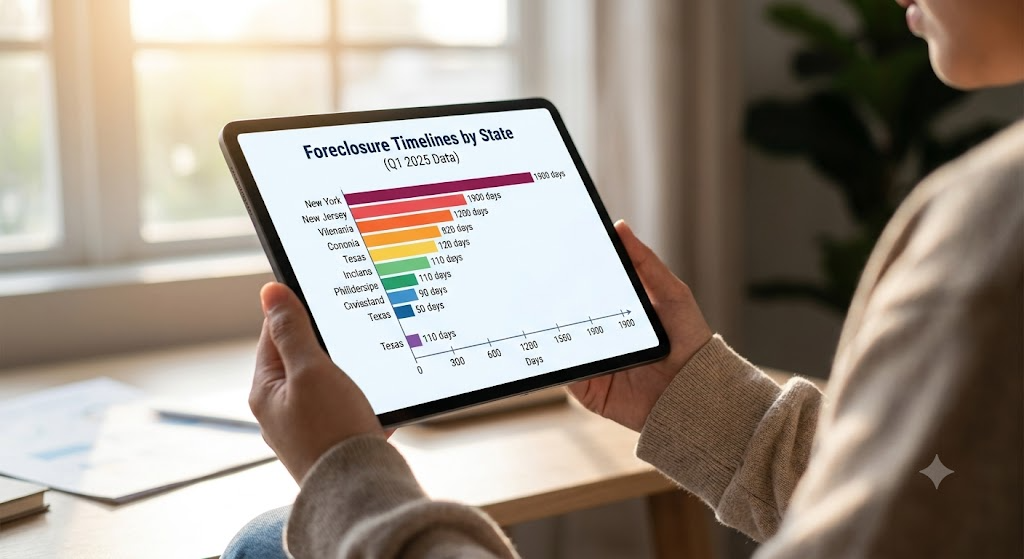
• Nationally, average foreclosure completion takes 592 to 671 days (roughly 1.6 to 1.8 years) as of 2025 data.
• The longest states for foreclosure include Louisiana (3,038 days), Hawaii (2,274 days), and New York (1,910 days).
• The fastest states include New Hampshire (110 days), Texas (116 days), and Minnesota (139 days).
• Federal law requires a minimum 120-day waiting period before lenders can even start the process.
• Judicial foreclosure states (where courts must approve each step) add 2.4 to 2.5 months on average.
Who Gains (and Who Loses) From the Timeline?

• Borrowers:
• Long timelines buy time to catch up, negotiate, or sell. Some borrowers use this delay to avoid losing their home or to arrange a better exit.
• However, property conditions often decline during delays, and legal costs can mount.
• Lenders:
• Delays increase holding costs and reduce chances of recovering full value.
• “Time-related costs” for lenders jumped from 11 percent pre-crisis to 19 percent in 2012.
• Homebuyers:
• Prolonged processes can mean waiting months (or years) before a property is available.
• In backlog-prone regions, buyers often grow frustrated by slow-moving banks or legal issues.
• The Market:
• Judicial state delays can stabilize home prices but lead to persistent inventory and “zombie” properties.
Practical Advice for Borrowers, Buyers, and Lenders

• If you are a homeowner facing foreclosure:
• Contact your loan servicer immediately, especially within the first 120 days of delinquency.
• Explore all alternatives: loan modifications, short sales, deed-in-lieu, or bankruptcy.
• Use the time to get free housing counseling (hud.gov) or legal aid.
• In states with long timelines, legal defenses and appeals can buy additional time.
• If you are a homebuyer:
• Research state-specific foreclosure timelines. In fast states (Texas, New Hampshire), expect quick sales. In slow states (Louisiana, New York), be ready for long waits.
• Be wary of properties in states with big backlogs, as banks may drag out negotiations and price reductions.
• Check county records and property histories to spot signs of prolonged foreclosure.
• If you are a lender or investor:
• Whenever possible, use non-judicial foreclosure processes to speed up recovery.
• Leverage tech tools (like ATTOM or PropStream) to predict foreclosure timelines and costs.
• Move quickly to sell REO (bank-owned) properties after foreclosure to reduce holding costs.
Recent Trends and What’s Changing
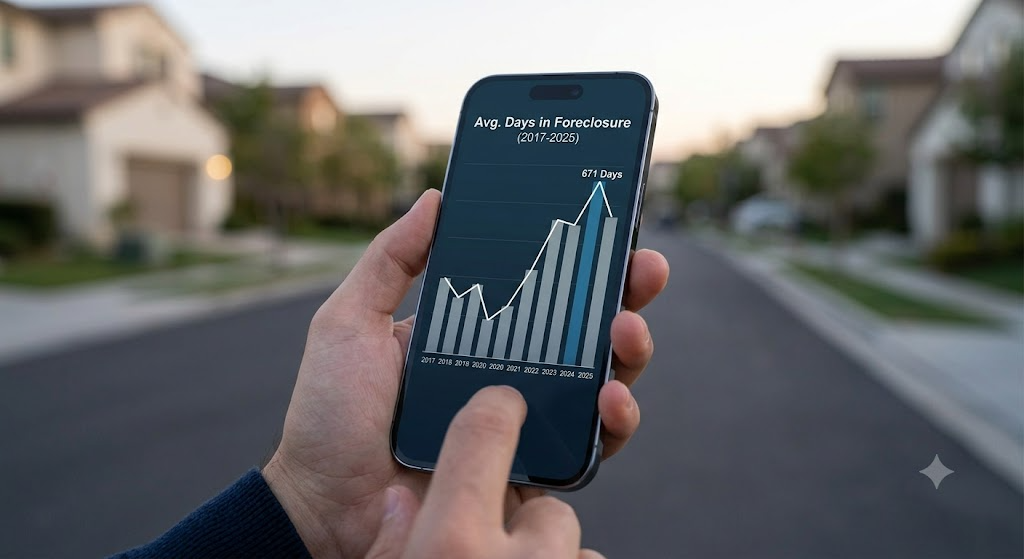
• As of Q1 2025, the average foreclosure timeline hit 671 days, the highest since 2017.
• Despite lower foreclosure volumes, court backlogs and rising delinquencies are making timelines longer.
• Some regions, like Cuyahoga County in Ohio, have implemented reforms that cut timelines by 45 percent.
• Federal policy changes in 2024-2025 are pushing for faster reviews and servicer accountability, but judicial states remain slow.
• Early 2026 data suggests a possible dip to 592 days, but higher mortgage rates could trigger more foreclosures unless processes are improved.
Frequently Asked Questions
Is foreclosure ever truly a waste of time?
For borrowers needing time to regroup or negotiate, foreclosure can be a critical opportunity. For buyers or lenders stuck in years-long legal limbo, it can feel very wasteful. The answer depends on your role and objectives.
Why do some states take so much longer than others?
Judicial foreclosure states require court approval at every step, creating bottlenecks and backlogs. Non-judicial states handle foreclosures via administrative processes, which are much faster.
Can I speed up the process as a buyer?
Not directly, but you can focus your search on non-judicial states or properties close to auction or bank ownership. Always check the local foreclosure process and expected timeline.
What should I do if I get a foreclosure notice?
Act immediately. Federal law gives you 120 days to respond and seek alternatives such as loan modification or forbearance. Get help from a HUD-approved counselor or legal aid.
Are lenders doing anything to make foreclosure faster?
Yes. Some use technology to predict and manage timelines. Others push for non-judicial processes or move quickly to sell REO properties after foreclosure to cut losses.
Conclusion
Foreclosure is not a one-size-fits-all waste of time. It is a complex legal process that serves important purposes but is often inefficient, especially in certain states. For borrowers, the timeline can be a lifeline; for buyers and lenders, it can be a headache. Know your state’s process, act promptly, and get professional advice to make foreclosure work for you – not against you. If you are considering buying a foreclosure or are facing one yourself, start by understanding your local rules and options. Don’t let the process waste your time – use it to your advantage.


